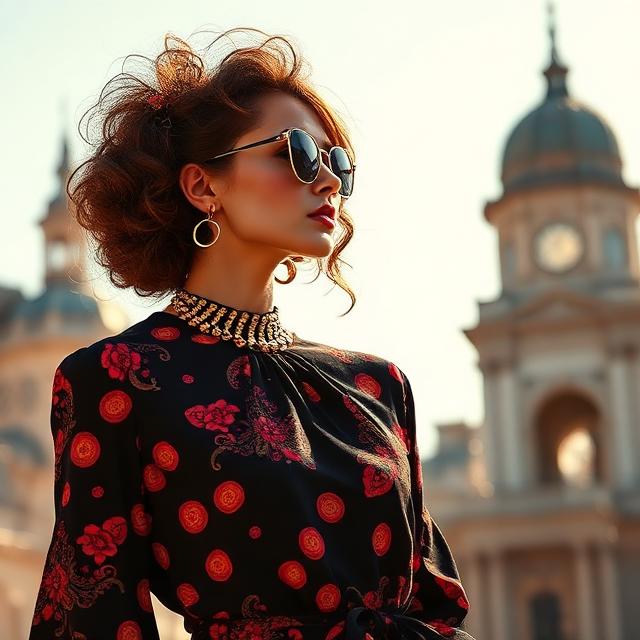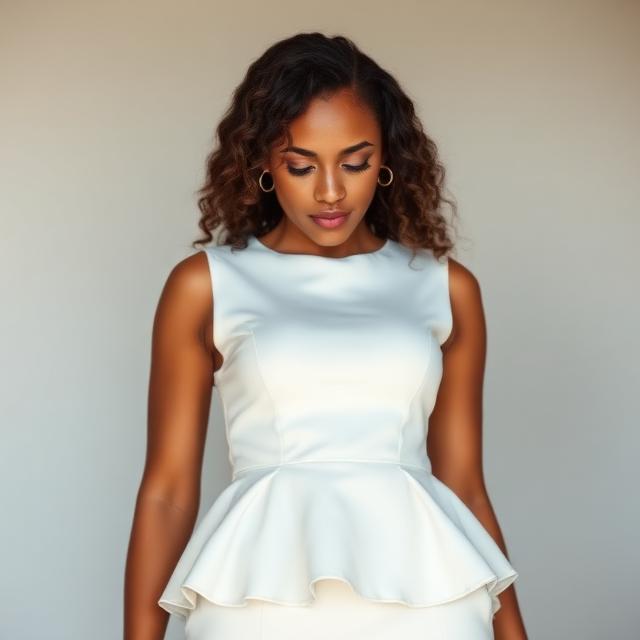

A real change in your fashion style goes way beyond just buying new clothes. It is a process of getting to know yourself editing what you have shopping on purpose and styling your clothes in a way that makes sense. When your clothes match your personality and lifestyle getting dressed is easy and not stressful.
This how to build your personal fashion identity guide will take you through each step of finding, defining and refining your fashion style so you can create a look that’s consistent, confident and looks good everywhere.
What is a personal fashion style?
Your personal fashion style is the way you express yourself through the clothes you wear the colors you choose the shapes of your clothes and how you put them together. It is how you present yourself to the world without saying anything.
This includes things like:
The Cuts of clothes that make you feel good about yourself
The colors that you wear often
How structured or soft your clothes are
How you add accessories to your outfits
The overall feeling that your outfits give people
Unlike what’s popular this season your personal fashion style has a core that does not change. It grows with you. It does not change suddenly. When people can describe your style using the words. Like polished modern, easy, bold or simple. That means you are creating a unique look.
Learning how to create your personal fashion style starts with understanding what you want not just buying more clothes.
Why does changing your personal fashion style matter?
A lot of people do not realize how much what they wear affects how they feel and what others think of them. Changing your personal fashion style can affect how confident you feel every day how people see you at work and how you feel emotionally.
1.You will feel more confident
When you wear clothes that match your personality you feel more grounded. You stop worrying about what you’re wearing and whether you made the right choice. Feeling confident becomes normal.
2.You will make a first impression
Whether you are at work, at an event or online how you look affects what people think of you. When your clothes match your style it shows that you are intentional and self-aware.
3.You will have stress when getting dressed
When you have a clear idea of your personal fashion style it is easier to get dressed every day. Of feeling overwhelmed you can use simple formulas and combinations that you know work.
4.You will make choices when shopping
When you know what your personal fashion style is you can avoid buying things on impulse. You will invest in clothes that really fit your style.
Step 1: Figuring Out Who You Are. The Heart of Your Style
Before you go shopping or get rid of clothes take some time to think about your life.
Think About How You Live
Your clothes should fit the way you live.
Ask yourself these questions:
What is a week like for you?
Is your job formal or casual?
How often do you go to parties or events?
Do you travel a lot?
Is being comfortable the important thing to you?
If your clothes do not fit your lifestyle it can be really frustrating. For example if you work from home but all you have are suits your closet is not working for you.
Think About Your Personality
To find your style you need to think about what kind of person you are.
Are you:
Someone who likes to plan everything or someone who goes with the flow?
Do you like to stand out or keep a profile?
Do you pay attention to every detail or do you like to keep things simple?
Do you like traditional things or do you like to try new things?
Your style should make you feel like yourself not like you are trying to be someone
Step 2: Finding Your Style
Understanding what kind of style you like can help you figure out what you want.
There are some styles that people like:
Minimal style is all about simple lines, plain colors and basic shapes.
Classic style is about clothes that fit well are balanced and never go out of style.
Modern style is about lines, sharp edges and putting different pieces together on purpose.
Relaxed style is about soft clothes loose fits and putting things together easily.
Creative style is about putting things together wearing bold accessories and adding special details.
Most people like a bit of everything. You do not have to pick one style. You just need to know what you like.
Step 3: Cleaning Out Your Closet
One of the ways to find your style is to get rid of clothes that do not fit or that you do not like.
Take everything out of your closet and look at each piece one, by one.
Ask yourself:
Does this fit me well?
Do I feel good when I wear this?
Is this the kind of style I am going for?
Would I buy this again today?
Make piles for:
Clothes that fit. You like
Clothes that need to be fixed
Clothes that you can give away
Clothes that you can sell
Get rid of clothes that do not feel like you anymore.
Cleaning out your closet makes room for clothes that fit your style.
Step 4: Finding Out What You Like
Look at the clothes you wear all the time.
Think about what you like about them:
What colors do you like?
What kind of fabric do you like?
What kind of shapes do you like?
What kind of shoes do you like?
What kind of accessories do you like?
When you see what you like you can start to build your personal fashion style without trying to be someone else.
Step 5: Choosing Your Style Words
This is an important step.
Pick a words that describe how you want to feel when you get dressed.
For example:
You might want to feel modern
You might want to feel effortless
You might want to feel refined
You might want to feel powerful
You might want to feel clean
You might want to feel polished
You might want to feel relaxed
You might want to feel sophisticated
These words will help you make choices when you go shopping. Every time you buy something it should fit with your style words.
Step 6: A color plan makes your style look put together.
Base Neutrals
Pick 2 or 3 colors like black, white, beige, gray or navy. These colors are easy to mix and match.
Core Colors
Choose 2 to 4 colors that look good on you and match the words that describe your style.
Accent Colors
Add one or two colors to give your style some personality.
Add one or two colors to give your style some personality.
Having a set color palette makes it easy to create outfits that look like they belong together.
Step 7: Focus on How Clothes Fit
The way clothes fit can change how you look.
Pay attention to how clothes fit on your:
Shoulders
Waist
Pant length
Overall balance
Try styles like:
High-waisted or mid-rise pants
Cropped or long tops
Oversized or tailored jackets
Getting clothes tailored can make a difference in how you look without having to buy new clothes.
Step 8: A good wardrobe starts with the basics.
Some examples are:
A tailored blazer
Fitted jeans
A simple knit sweater
A structured coat
A crisp button-down shirt
Classic shoes
A versatile handbag
These basics help you create a lot of outfits.
Step 9: Create Outfit Formulas
Having some standard outfit ideas makes getting dressed easier and helps you look more put together.
Some examples are:
Blazer + top + tailored trousers
Knit sweater + straight-leg jeans + loafers
Midi dress + coat
Button-down + high-waisted pants
Having some reliable combinations helps you figure out what works for you.
Step 10: Develop a Signature Style
To build a signature style keep repeating the details that make you stand out.
This could be:
Wearing the color from head to toe
Wearing gold jewelry
Wearing clothes with clean lines
Wearing coats
Keeping accessories simple
Wearing statement shoes
Repeating these details makes your style more recognizable.
Step 11: Get Good at Styling
Styling is what turns clothes into outfits that look intentional.
Some tips are:
Layering pieces like jackets, scarves or belts
Mixing textures like leather, denim, knitwear and silk
Balancing fitted pieces
Getting good at styling helps your personal style grow.
Step 12: Build Fashion Confidence
To keep growing in your style you need to feel confident.
Some tips are:
Wear your outfits without fidgeting with them
Repeat the outfits proudly
Don’t compare yourself to others on social media
Focus on being comfortable and standing up straight
Trust that you’ve made choices
Confidence makes even simple outfits look great.
Step 13: Shop with a Plan
Try not to buy things on impulse.
Before buying ask yourself:
Does this match the words that describe my style?
Can I make least three different outfits with this?
Is it the color?
Does it make my wardrobe more like what I want it to be?
Shopping with a plan helps you stay true to your style.
Step 14: Adapt Your Style to Situations
Your personal fashion style should stay the same but you can adapt it for different situations, like:
Work
Weekends
events
Travel
The shape of your clothes might change, but the overall look should still be you.
Step 15: Avoid Common Style Mistakes
When building your style try to avoid:
Following trends that don’t fit your style
Keeping clothes that’re out of style or don’t fit anymore
Not getting clothes tailored
Making outfits too complicated
Buying the thing multiple times on impulse
Staying disciplined helps you refine your style.
Step 16: Grow with Time
As you grow in your career change your lifestyle and develop as a person your identity changes too.
Every year take a look at your style words again. Ask yourself:
Do these words still describe who I am becoming?
Changing your fashion is an ongoing process, not something you do just once.
Step 17: Keep Your Style Consistent
To keep your transformation going do these things:
Check your wardrobe every season
Replace your worn-out essentials on purpose
Keep track of the items you wear the most
Keep making your style better
Being consistent helps people recognize you and see you as a style authority.
Final Thoughts
Figuring out how to build your personal fashion identity is a way to learn more about yourself and feel more confident. A real personal fashion change is not about impressing others it is about being true to yourself.
When your clothes match your personality fit your lifestyle. Make you feel good getting dressed becomes a powerful experience.
By making your style preferences clearer creating a signature look and keeping your wardrobe in line with your personal fashion style you create more than clothes. You create your identity.
Your style is like an introduction, to the world. Make it thoughtful. Make it polished. Make it truly yours.