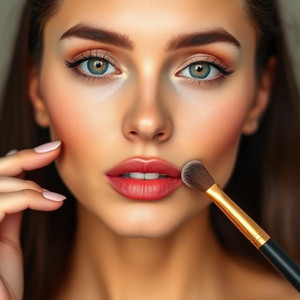
Liquid foundation can either make your skin look beautifully smooth—or completely ruin your makeup if it’s not applied correctly. Most people struggle with issues like cakiness, uneven texture, dry patches, or foundation melting off after a few hours. The good news is that flawless foundation is not about expensive products. It’s about how to apply it.
If you want to learn how to apply liquid foundation the right way, this guide walks you through everything in a simple, realistic, and practical way. These are techniques used by makeup artists but explained in everyday language so anyone can follow them.
Why Liquid Foundation Works for Almost Everyone
Liquid foundation is one of the most flexible makeup products you can use. It adapts to different skin types, offers adjustable coverage, and blends easily when applied properly.
What makes liquid foundation so popular is that you can keep it light for daily wear or build it up when you need more coverage. When done right, it looks like real skin—not makeup sitting on top of your face.
Start With Skin That’s Ready for Makeup
No foundation will look good if your skin isn’t prepped properly. This step matters more than people realize.
Clean Skin Makes a Huge Difference
Always apply foundation on freshly cleansed skin. Leftover oil, sweat, or dirt can cause patchy application and shorten wear time.
Moisturizer Is Not Optional
Many foundation problems actually come from skipping moisturizer. Even oily skin needs hydration.
Dry skin needs a richer moisturizer
Oily skin should use a lightweight or gel-based one
Combination skin benefits from balanced hydration
Give your moisturizer a minute to absorb before applying anything else.
Primer Helps Your Foundation Look Better and Last Longer
Primer creates a smoother surface and helps foundation stay in place.
Use primer based on what your skin needs:
If you have visible pores, use a blurring primer
If your skin gets oily, use a mattifying primer
If your skin feels tight or dull, use a hydrating primer
You only need a small amount. Applying too much primer can actually make foundation slide around.
Choosing the Right Foundation Shade Is Critical
Even perfect application won’t fix the wrong shade.
How to Find a Shade That Actually Matches
Test foundation along your jawline
Look at it in natural daylight
Make sure it blends into both your face and neck
If the foundation disappears into your skin, it’s the right shade.
Understand Your Undertone
Yellow or golden tones = warm undertone
Pink or rosy tones = cool undertone
A mix of both = neutral undertone
Matching undertone is just as important as matching color depth.
Pick the Right Way to Apply Liquid Foundation
There is no single “best” tool. The finish depends on how you apply it.
Using a Damp Makeup Sponge
This gives the most natural, skin-like finish.
How to use it:
Wet the sponge and squeeze out excess water
Apply foundation in small dots
Gently bounce the sponge into the skin
This method prevents heavy buildup and works well for everyday makeup.
Using a Foundation Brush
This gives more coverage and a polished look.
How to use it:
Use a dense brush
Start with a small amount of product
Blend using circular or tapping motions
Great for photos, events, and long-wear makeup.
Using Your Fingers
This is quick and surprisingly effective.
How to use it:
Warm the foundation between clean fingers
Apply from the center of the face
Blend outward gently
Body heat helps the foundation melt into the skin, making it look more natural.
The Correct Way to Apply Foundation on Your Face
Most people apply too much foundation at once.
The better approach:
Start with a small amount
Apply it to the center of your face
Blend outward toward the edges
Add more only where you actually need coverage
This keeps your makeup looking fresh instead of heavy.
Blending Is Where Most People Go Wrong
Blending can make or break your base.
Pay extra attention to:
The sides of your nose
Around your mouth
Your jawline
Slightly down the neck
Always check your foundation in natural light. What looks fine indoors can look uneven outside.
Apply Concealer After Foundation, Not Before
Foundation evens out your skin tone. Concealer corrects specific areas.
Use concealer only where needed:
Under the eyes
On blemishes
Around redness
Blending concealer gently helps it melt into the foundation instead of sitting on top.
Set Your Foundation So It Lasts All Day
Setting prevents creasing and fading.
Setting With Powder
Use a small amount of translucent powder
Focus on oily areas like the forehead and nose
Avoid heavy powder on dry areas
Setting With Spray
Helps makeup last longer
Keeps skin from looking powdery
Gives a natural finish
You can use both if you need extra staying power.
Common Liquid Foundation Mistakes to Avoid
If your foundation never looks right, you might be doing one of these:
Using too much product
Skipping moisturizer
Wearing the wrong shade
Not blending properly
Ignoring the neck
Applying on dry skin
Fixing even one of these can improve your makeup instantly.
Tips for Different Skin Types
Oily Skin
Choose oil-free foundation, use primer, and set lightly with powder.
Dry Skin
Use hydrating foundation, avoid heavy powder, and apply with a damp sponge.
Combination Skin
Control oil only where needed and keep dry areas moisturized.
How to Make Liquid Foundation Look Fresh for Hours
Prep your skin properly
Apply foundation in thin layers
Use long-wear formulas
Set strategically
Blot oil instead of adding more makeup
These habits keep your foundation looking natural all day.
Final Thoughts
Knowing how to apply liquid foundation properly changes everything about how your makeup looks. With the right preparation, a light hand, and proper blending, foundation should enhance your skin—not hide it.
When applied correctly, liquid foundation looks smooth, natural, and confident. Whether you’re heading to work, attending an event, or filming content, these techniques help your makeup look polished in real life and on camera.