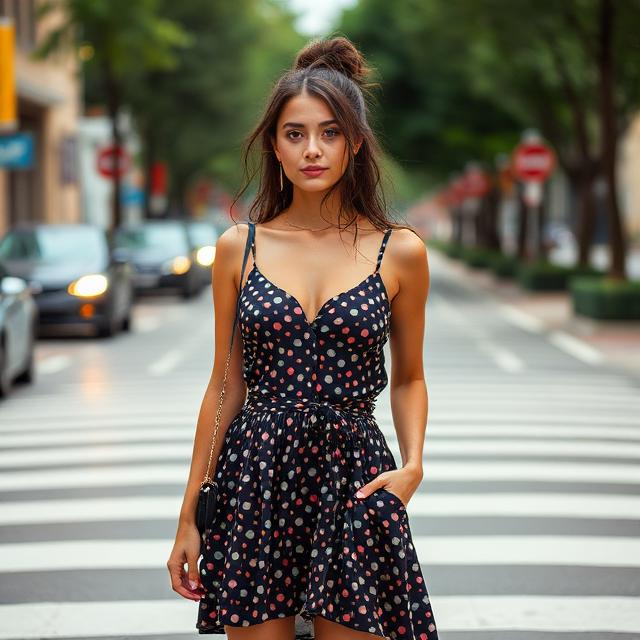

If there’s one thing fashion has taught us over the years, it’s that style never stands still. Trends change, fabrics evolve, and our personal tastes shift as we move through life. But what’s happening in 2026 feels different. Fashion isn’t just changing — it’s becoming smarter. And the reason behind it is simple: AI-driven personalization and technology woven directly into clothing.
Just a few years ago, ideas like virtual try-ons, temperature-adjusting jackets, and Artificial Intelligence stylists felt like something only luxury brands could experiment with. Today, they’re quickly becoming a part of mainstream fashion, influencing everything from how brands design collections to how everyday shoppers choose outfits.
Let’s explore how this quiet tech revolution is rewriting the rules of style around the world — and why it matters more than ever.
What AI driven Personalization Really Means for Everyday Shoppers
Before it, every shopper had one experience: endless scrolling, tons of guesswork, and the hope that whatever they ordered online might fit. But personalization driven by it completely flips that experience.
It doesn’t just show you clothes — it learns you.
It studies:
the colors you naturally gravitate towards,
the styles you keep clicking on,
your daily lifestyle,
your body shape,
your past purchases,
and even how long you linger on certain items.
And based on all that, it delivers clothing suggestions that feel surprisingly accurate, almost like a stylist who has known you for years.
This type of personalization helps people who:
hate shopping and want quick decisions,
love fashion but want deeper guidance,
struggle with fit issues,
want more confidence in their wardrobe choices,
prefer wearing things that match their personality, not just trends.
It isn’t replacing human style — it’s amplifying it.
Why AI Personalization Is Becoming Essential
We live in a world where choices are endless but time is not. Shopping shouldn’t feel overwhelming, and that’s exactly where Artificial Intelligence steps in.
Here’s why it’s becoming a must-have in 2025:
Saves hours by filtering out things that don’t match your taste.
Reduces returns by predicting the right size for your body shape.
Improves your confidence, because the clothes you see actually fit your style.
Prevents impulse mistakes, especially when you’re shopping in a rush.
Helps brands produce only what people will buy, reducing waste.
Fashion becomes more personal, more efficient, and ultimately more enjoyable.
Where Technology Meets Clothing: The Rise of Smart Fashion
We talk about “smartphones” and “smart homes,” but smart clothing is something completely different — and honestly, kind of fascinating.
Imagine wearing a jacket that warms you when the temperature drops. Or leggings that track your muscle activity during a workout. Or a dress that changes its color at the tap of a phone.
These aren’t theories anymore. They’re real.
Here’s What’s Becoming Common in 2026:
Temperature-regulating jackets
Activewear that tracks body metrics
LED-integrated clothing for events and nightlife
UV-protective wear with smart alerts
Shoes that analyze posture and movement
Fabrics made with intelligent fibers
Fashion is no longer just about appearance — it’s becoming about experience.
How AI Is Quietly Transforming the Shopping Experience
Let’s break down some of the biggest changes shoppers are noticing.
- Virtual Try-Ons Feel More Real Than Ever
This technology used to be glitchy and gimmicky. Not anymore.
You point your phone camera toward yourself, choose a product, and zap — the item appears on your body with surprisingly realistic lighting and proportion.
Shoppers love this because:
no awkward changing rooms,
no guessing how something might drape or fit,
less disappointment when the package arrives.
It’s simple, fast, and fun — almost like a personal mirror that never lies.
- AI Stylists Become Your Personal Guide
Not everyone feels confident putting outfits together, and that’s okay. This stylists provide ideas that feel thoughtful, not robotic.
They suggest:
what colors compliment your skin tone,
what cuts enhance your shape,
how to pair pieces you already own,
what’s trending but still “you.”
It’s like having a fashion-savvy friend who always knows what suits you best.
- Correct Sizing Isn’t a Guessing Game Anymore
If you’ve ever ordered jeans online, you know the fear. Will they fit? Will they be too tight? Too loose? Too short?
ArtificiaI Intelligence uses thousands of data points — from customer reviews to detailed measurements — to recommend the right size almost every time.
This alone is changing the entire online shopping industry.
- It Helps Predict What Fashion Trends Will Hit Next
Instead of waiting for runways or celebrity influence, It analyzes:
global search patterns,
social media hashtags,
purchase behavior,
color interest,
influencer trends.
This helps brands stay ahead instead of scrambling to keep up.
It also reduces waste because brands only produce what customers actually want.
- Inventory Runs Smoother Behind the Scenes
This may not sound stylish, but it’s important. AI ensures brands stock the right sizes, ship faster, and manage orders with fewer errors.
For customers, this means:
fewer “out of stock” messages,
quicker deliveries,
better overall service.
Smart Clothing: The Future of Wearable Fashion
Here’s a deeper look at what technology is bringing into the wardrobes of 2025.
- E-Textiles & Smart Fabrics
These fabrics integrate tiny electronic components without feeling heavy or uncomfortable.
They can:
monitor body temperature,
track moisture,
measure stress signals,
or change texture depending on the environment.
- Clothing That Adjusts to the Weather
Jackets that heat up when you’re cold or cool down when you’re warm? Yes, that’s here.
It’s perfect for travelers, outdoor lovers, or anyone living in places with unpredictable weather.
- Health-Monitoring Apparel
Fitness lovers are obsessed with this tech.
These clothes can tell you:
how your muscles are performing,
whether your posture needs correction,
how your breathing changes during exercise,
and even how stressed you are.
It’s far more accurate than a smartwatch because the sensors sit directly on the skin.
- LED and Interactive Clothing
Popular among influencers and event-goers, these pieces light up, change color, or sync to music.
They are eye-catching, expressive, and part of the growing digital fashion movement.
- Sustainable Tech Fashion
It is helping fashion finally become greener.
It reduces:
fabric waste,
harmful production cycles,
unnecessary samples,
and overstocked inventory.
This is the direction eco-conscious consumers want the industry to go.
How ArtificiaI Intelligence Helps People Look and Feel Better in Their Clothes
One of the most overlooked benefits of AI is how it helps people understand themselves better.
ArtIficial Intelligence -style tools can tell you:
why certain colors make you glow,
what cuts flatter your figure,
what fabrics feel best on your skin,
which styles match your lifestyle.
We all have moments when we stare at our closet and still feel like we have “nothing to wear.” Intelligence solves that by simplifying choices and showing what truly works for you.
How Big Brands Are Leading the Change
In 2025, major fashion houses — and many smaller brands — are embracing it.
When global brands adopt these tools, they become accessible to everyone.
What the Future of Fashion Might Look Like
Fashion in the next decade won’t look anything like today — not because styles will change but because technology will integrate even deeper into our everyday choices.
Expect:
fully virtual wardrobes,
try-on experiences without physical stores,
digital outfits for social media,
smarter fabrics for daily wear,
ArtificiaI Intelligence-backed sustainable production,
instant personalization for every shopper.
Fashion is becoming more intuitive, personal, and environmentally responsible.
FAQ:
- What is AI-driven personalization in clothing?
This personalization in clothing is when brands use intelligence to analyze customer data like body measurements, shopping behavior, preferences and browsing history. This helps them recommend clothing options. They use machine learning algorithms to suggest sizes, styles, colors and fabric types that best match shoppers. This improves accuracy and overall satisfaction with AI-driven personalization.
- How does ArtificiaI Intelligence improve the clothing shopping experience?
It makes online fashion shopping better in ways:
- It offers personalized style recommendations based on Intelligence analysis.
- Virtual try-on technology lets customers see how clothes fit without trying them on.
- Smart size prediction tools help customers choose the size.
- Real-time chat assistants provide help.
- Automated styling suggestions make shopping easier.
For example Stitch Fix uses ArtificiaI Intelligence algorithms with stylists to pick out personalized fashion boxes for customers. Personalization plays a role here.
- What is clothing technology?
Smart clothing technology is about clothes with parts like sensors, microchips or connectivity features. These clothes can track things like body temperature, heart rate, posture or movement.
A known example is Levis collaboration with Google to create connected jackets with touch-sensitive fabric. This is an example of smart clothing technology.
- Can AI recommend the clothing size accurately?
Yes Intelligence-powered sizing tools can accurately predict the size. They analyze customer purchase history return data and body measurements. Many fashion retailers use sizing technology to reduce returns and increase customer confidence when shopping online.
- What role does machine learning play in fashion personalization?
Machine learning helps fashion brands understand customer behavior patterns. It processes datasets to:
- Identify trending styles using machine learning.
- Predict fashion demand with machine learning analysis.
- Customize marketing campaigns using machine learning insights.
- Suggest products based on machine learning.
This data-driven approach makes shopping more intuitive and personalized with machine learning.
- What is Virtual Try-on Technology in Fashion?
Virtual try-on technology lets customers see how clothing looks on their body using augmented reality or Artificial Intelligence body mapping tools. Brands like Zalando and Nike have introduced fitting technologies to enhance customer confidence before purchasing. This personalization is key to this technology.
- Is AI-driven clothing personalization for customer data?
Reputable fashion brands use encrypted systems and data privacy protocols to protect user information. However customers should review privacy policies before sharing data. Transparency and ethical Artificial Intelligence use are crucial in the fashion tech industry.
- How does AI help reduce fashion waste?
It reduces fashion waste in ways:
- Predicting demand accurately using Artificial Intelligence analysis.
- Preventing overproduction with Artificial Intelligence insights.
- Improving size accuracy to reduce returns through Artificial Intelligence personalization.
- Supporting made-to-order production models with Artificial Intelligence.
Data-driven forecasting allows brands to produce smarter and more sustainably with Artificial Intelligence.
- What is the future of ArtificiaI Intelligence and wearable technology in fashion?
The future of ArtificiaI-driven personalization and tech integration in clothing includes:
- customized digital wardrobes with Artificial Intelligence.
- Smart fabrics that adapt to weather using this technology.
- stylists available 24/7 for advice.
- Biometric health-tracking garments with this integration.
- On-demand 3D-printed clothing using Intelligence driven personalization.
As fashion and technology merge consumers can expect intelligent and personalized shopping experiences with it.
- Why is AI personalization important for fashion brands?
This personalization helps global brands:
- Improve customer retention with this personalization.
- Increase conversion rates using Intelligence analysis.
- Reduce costs through Artificial Intelligence insights.
- Enhance brand loyalty with this personalization.
- Deliver -personalized experiences worldwide using Intelligence.
In today’s digital fashion market Intelligence-driven personalization is essential, for growth and success.
A Human-Focused Conclusion
Technology is transforming the fashion industry from the inside out, but what makes this shift meaningful isn’t the tech itself — it’s how it improves people’s lives.
ArtificiaI Intelligence-driven personalization makes fashion less stressful and more expressive.
Smart clothing blends comfort with innovation.
And tech-powered sustainability brings hope to an industry that has long struggled with waste.
Fashion is becoming more human, not less.
More personal, not more generic.
And more connected to our needs than ever before.
If you’re someone who loves dressing well or simply wants a better shopping experience, the future looks incredibly promising.